Immeuble Clarté, Where Modern Living First Found Its Light
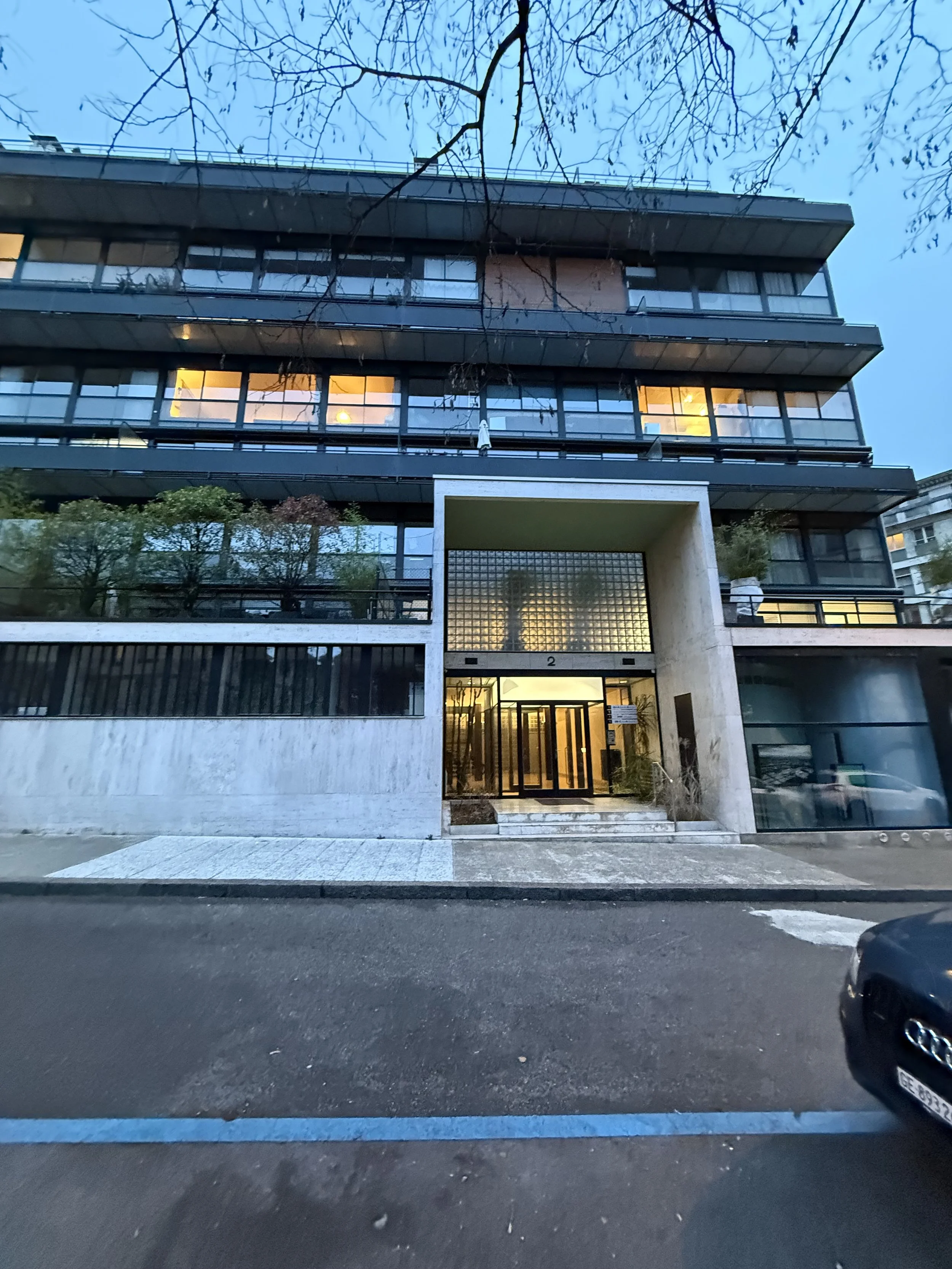
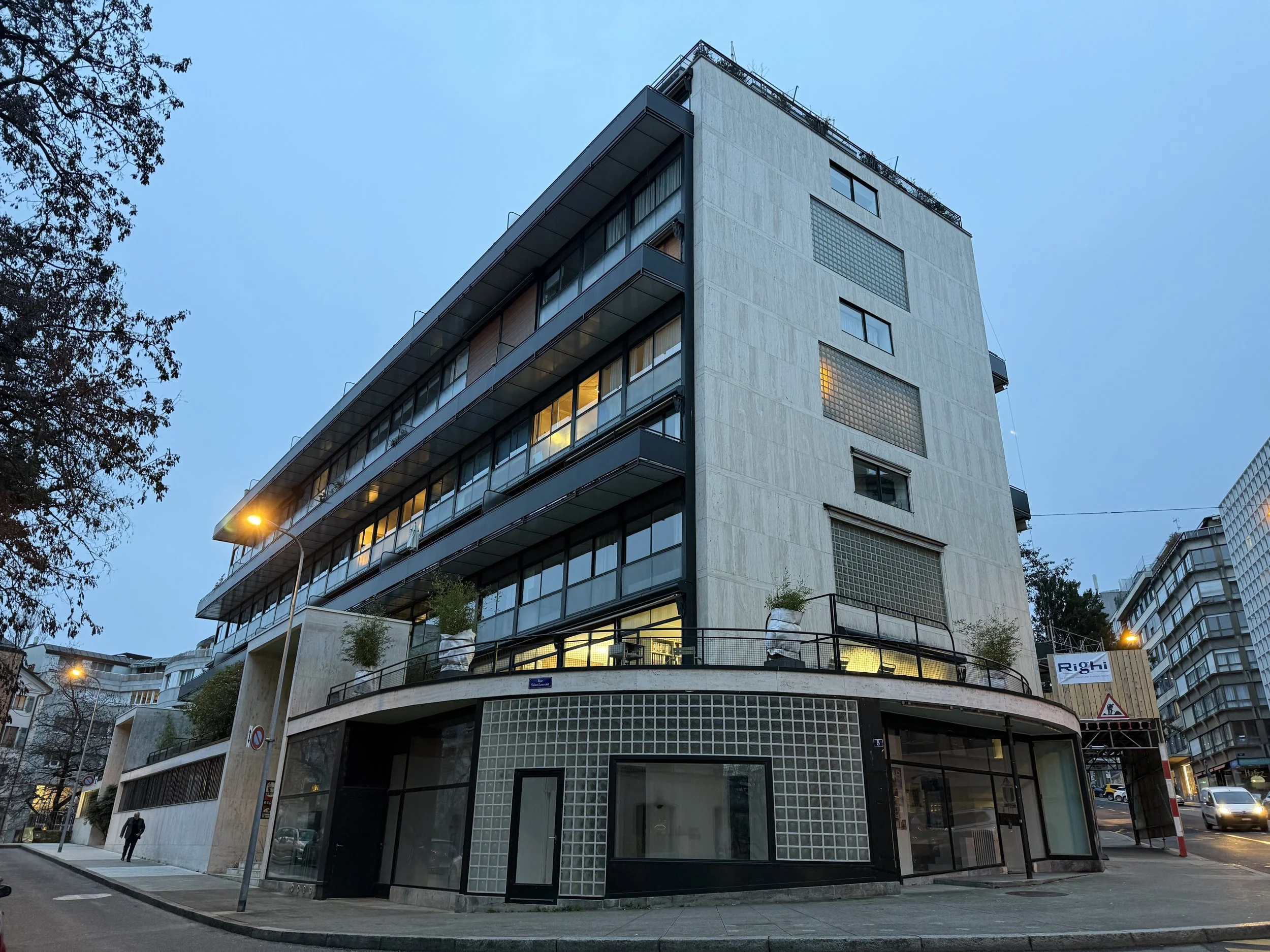
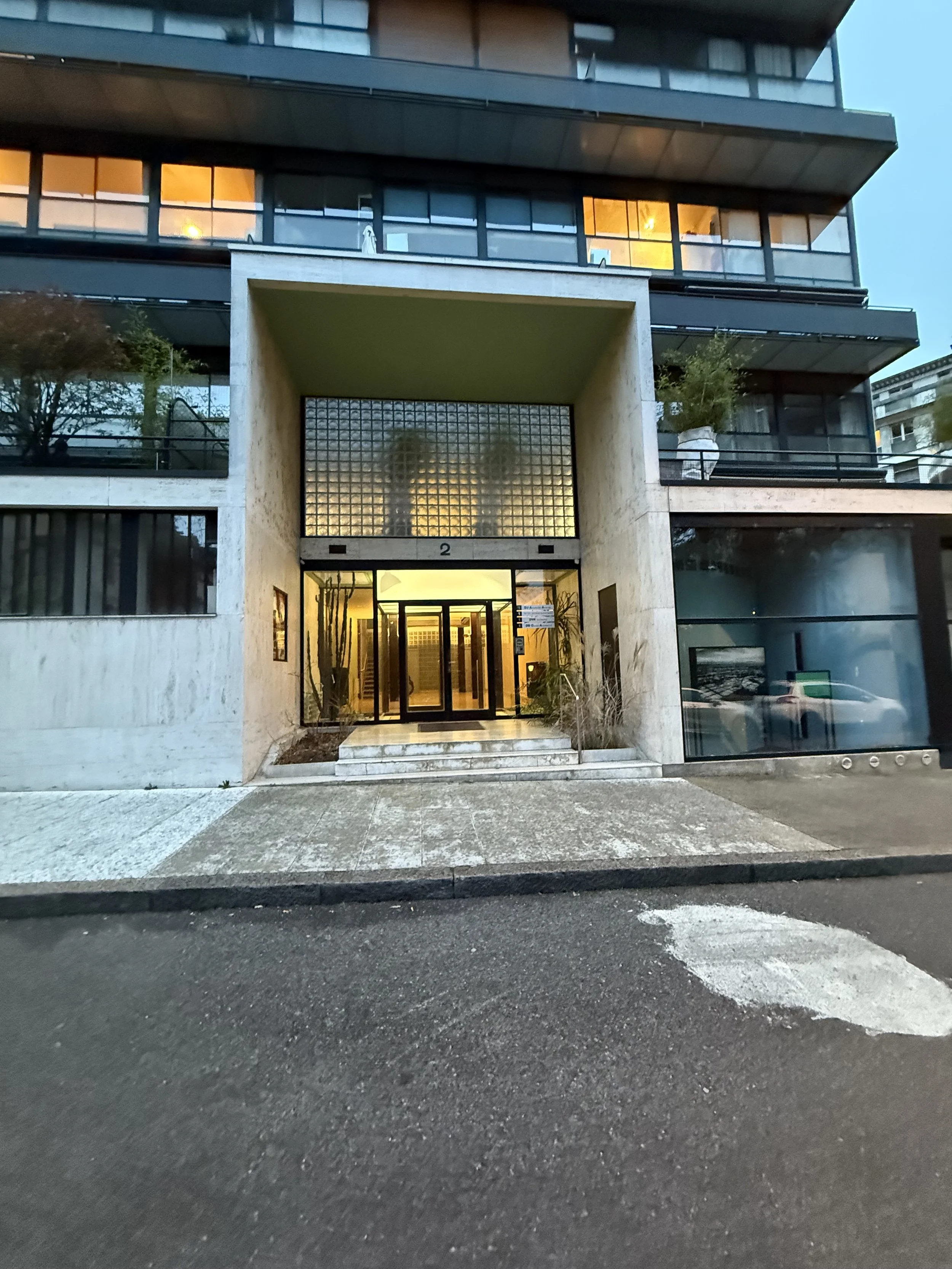
Tucked into a calm Geneva street, Clarté does not perform. It does not ask for attention. Glass, steel, proportion. Every line feels considered. You can sense that this building was never about decoration, it was about living better.
Designed in 1931 by Le Corbusier and Pierre Jeanneret, Clarté feels remarkably current. Floor to ceiling glazing pulls daylight deep into the apartments. Sliding walls hint at flexibility, at a belief that spaces should adapt to people, not the other way around. Even from the street, you can feel the logic of it. Nothing wasted. Nothing trying too hard.
What struck me most was the restraint. Modernism here is not cold. It is humane. The façade breathes. Balconies stack with rhythm, creating a quiet pattern that changes with light throughout the day. Morning feels soft. Afternoon sharpens the edges. At dusk, the building glows from within, less object, more organism.
As a traveler who loves design, Clarté feels like a pause. A reminder that progress does not need spectacle. That innovation can be calm. That the future once imagined can age with grace when it is rooted in purpose.
Standing there, it is easy to forget this building helped define an entire movement in architecture. It does not carry its legacy loudly. It does not need to. Its ideas are still working. Still relevant. Still generous.
Geneva is full of precision, but Immeuble Clarté shows another side of that mindset. Precision in how people live. Precision in how light moves. Precision in knowing when enough is enough.
Some buildings teach you history. Others quietly show you how to live.